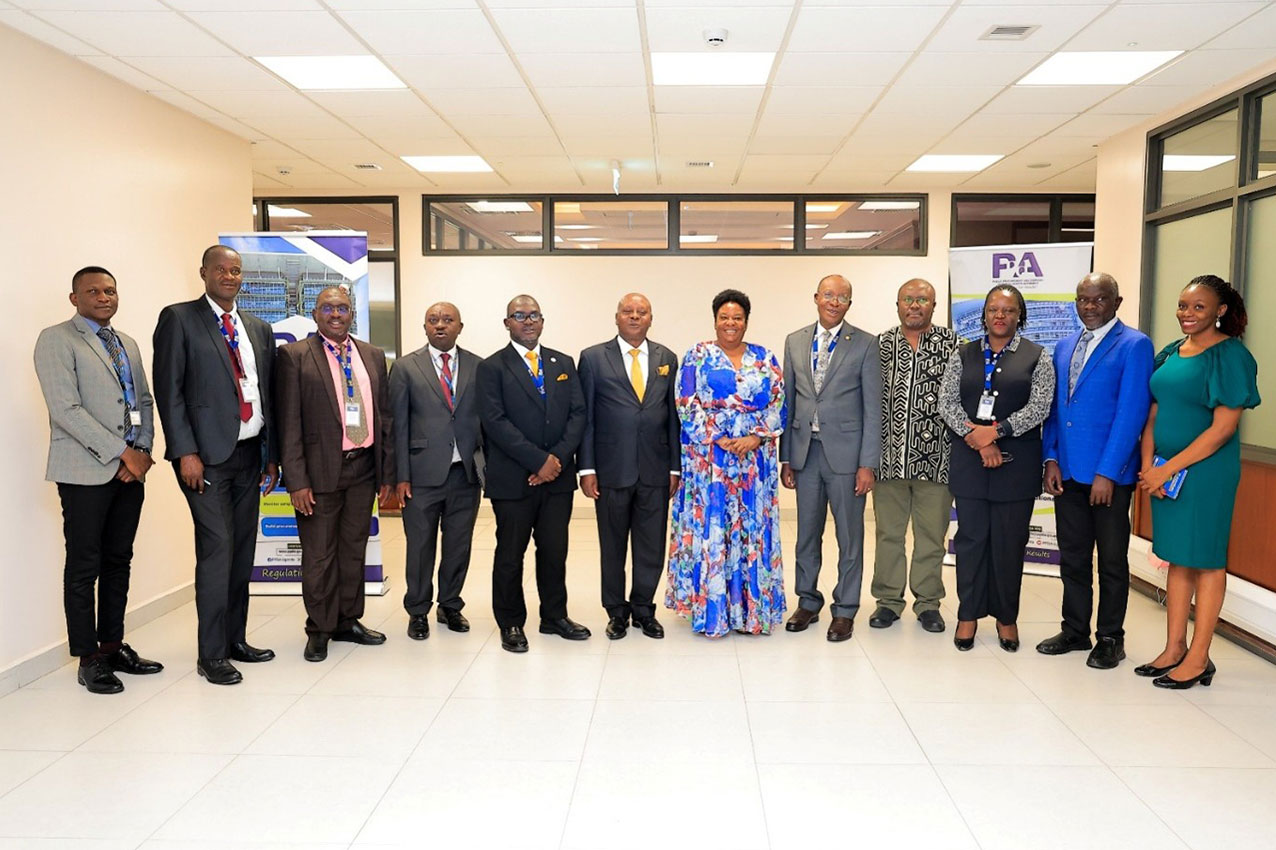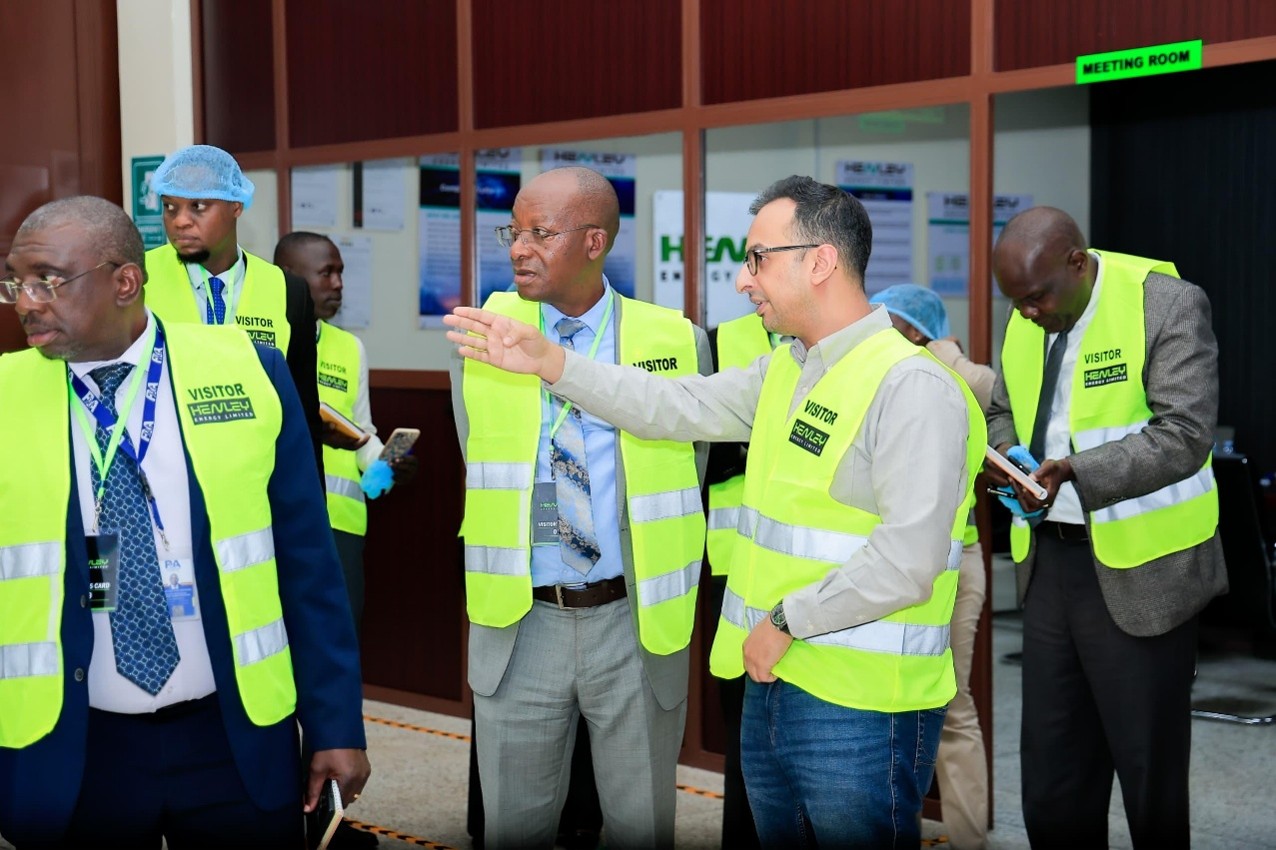


The Public Procurement and Disposal of Public Assets Authority (PPDA) has been recognised for successfully achieving its Year 1 Disbursement Linked Results (DLRs) under the Public Investment Management PLUS (PIM-PLUS) Operation, a Government reform aimed at strengthening public investment and asset management in Uganda.
The recognition was made during the 2nd PIM-PLUS Operations Technical Committee (OTC) Meeting, held on 20th August 2026 at the Ministry of Finance, Planning and Economic Development (MoFPED).
The meeting, chaired by Director Budget – Ministry of Finance, Planning and Economic Development (MoFPED), Mr. Hannington Ashaba, reviewed progress on the achievement of Year 1 Disbursement Linked Indicators (DLIs) and DLRs, as well as the implementation status of strategic projects supported under the Operation.
PIM-PLUS is a USD 200 million World Bank-funded flagship reform under Government’s Public Finance Management Strategy, aimed at strengthening public investment and asset management. It supports implementation of the National Development Plan IV (NDP IV) and Uganda’s Tenfold Growth Strategy through improved project preparation, budgeting, execution and asset maintenance.
PPDA Delivers Procurement Reform Results
PPDA’s responsibilities under the Operation are anchored under DLI 6 – Medium & High-Value Contracts Procured on a Cost-Effective & Timely Basis.
During the meeting, PPDA was congratulated and appreciated for successfully delivering its Year 1 results. These include completion of the Business Process Re-engineering (BPR) of public procurement processes, aimed at identifying and implementing efficiency improvements in Government procurement.
The Authority, working with MoFPED, also delivered a key reform aimed at strengthening cost control in public investment projects through the issuance of a circular providing for a 15 percent cap on variations between feasibility estimates and procurement initiation, and a 25 percent cap on contract variations.
These reforms are expected to contribute to more predictable project costs, greater procurement efficiency and improved value for money in the implementation of public investments.
Government Agencies Make Progress on Year 1 Results
The wider PIM-PLUS results framework comprises 34 DLRs across 10 DLIs, with responsibilities shared among several Government institutions, including MoFPED, PPDA, the National Environment Management Authority (NEMA), National Information Technology Authority-Uganda (NITA-U) and the Office of the Prime Minister (OPM), among others.
At the time of the review, five DLRs had been successfully achieved, with PPDA among the institutions that had delivered its Year 1 commitments. Other implementing institutions continue to work towards outstanding targets, with the OTC emphasising adherence to agreed timelines and close coordination among the responsible agencies.
The Operation also supports 12 strategic projects with a combined portfolio of USD 120 million, covering interventions in areas including land administration, mineral-based industrialisation, electricity transmission, tourism infrastructure, health facilities, drainage and sanitation, as well as strengthening Government’s capacity for public investment management.
Addressing the Committee, Mr. Ashaba challenged implementing institutions to embrace a change in mindset and use PIM-PLUS to address bottlenecks that have historically affected the efficiency and effectiveness of public investments.
“This is PIMPLUS, we must do things differently.”
The Acting Commissioner, Project Analysis and Public Investment – MoFPED, Ms. Gertrude Basiima, also appreciated OTC members for the progress registered and urged implementing institutions to remain alert to agreed timelines and ensure delivery within the established frameworks.
As implementation of PIM-PLUS progresses, PPDA will continue working with MoFPED and other implementing institutions to advance procurement reforms that support the timely, cost-effective and efficient delivery of public investments, ultimately contributing to improved value for money and better service delivery for Ugandans.