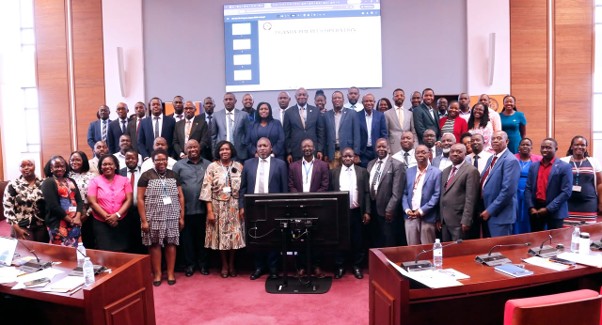

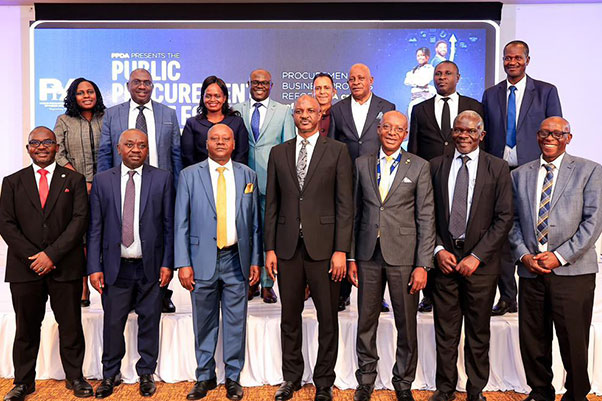
Under the theme “Procurement Business Process Reforms: A Critical Reflection,” the Public Procurement and Disposal of Public Assets Authority (PPDA) convened the Procurement Cadre Forum 2026, bringing together distinguished stakeholders, policymakers, and procurement professionals to reflect on the future of Uganda’s public procurement system and identify practical reforms aimed at strengthening efficiency, transparency, accountability, and value for money.
The Forum, supported under the Public Investment Management Plus (PIM+) Programme, served as a strategic platform for dialogue on procurement reforms and their critical role in accelerating Uganda’s socio-economic transformation. The engagement drew Heads of Procurement and Disposal Units from government entities, officials from the Ministry of Finance, Planning and Economic Development, development partners, and key actors within the procurement ecosystem.
Uganda continues to undertake significant public investments across critical sectors including infrastructure, health, education, energy, ICT, and transport. Government allocated over UGX 7.2 trillion in the 2025/26 financial year toward infrastructure development, including substantial investments in the Greater Kampala Metropolitan Area. However, despite the existence of a robust legal and regulatory framework, inefficiencies within procurement processes continue to delay project implementation, increase costs, and undermine service delivery.
The Forum therefore focused on identifying administrative or “soft” procurement reforms that can be implemented within the existing legal framework to improve procurement lead times, strengthen accountability, and enhance project execution. Discussions highlighted the need for practical, evidence-based, and implementable solutions informed by the experiences of frontline procurement practitioners.
Delivering the keynote address, Dr. Ramathan Ggoobi, the PSST underscored that discussions on procurement reforms should not merely be viewed as administrative engagements, but rather as strategic national conversations that directly contribute to Uganda’s broader development agenda. He emphasized the importance of aligning procurement processes with the country’s socio-economic aspirations by prioritizing efficiency, accountability, and local economic empowerment.
Dr. Ggoobi further stressed the need for deliberate procurement decisions that intentionally grow Uganda’s internal productive capacity and industrial base. He noted that public procurement must be leveraged as a strategic tool to support local enterprises, manufacturers, and service providers, thereby strengthening Uganda’s economy from within while creating sustainable opportunities for citizens.
While delivering his opening remarks, Canon Benson Turamye, Executive Director of PPDA, highlighted that local content promotion, digital transformation, and collaborative procurement remain critical pillars in strengthening Uganda’s public procurement ecosystem and improving public service delivery.
Canon Turamye emphasized Government’s deliberate efforts to stimulate local industrial growth through reservation schemes that prioritize locally manufactured and assembled products, including motorcycles. He also highlighted ongoing initiatives aimed at expanding procurement opportunities for youth, women, and persons with disabilities, ensuring inclusivity within public procurement processes.
The Executive Director further underscored the importance of digital transformation in procurement management, particularly through the Electronic Government Procurement (e-GP) system.
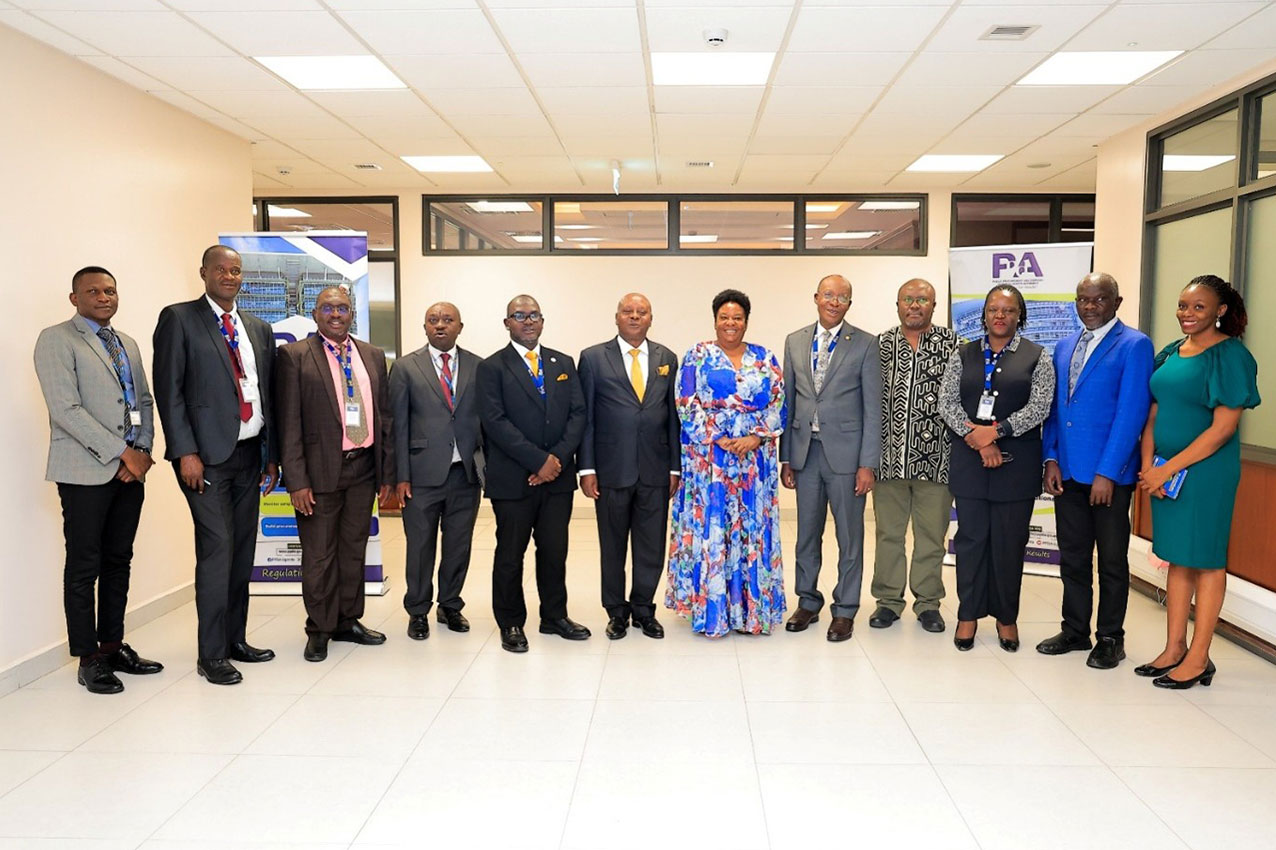
The Forum also featured an engaging panel discussion comprising key experts and practitioners in procurement and public investment management. The panel included Atiku Saki Mansoor, Registrar of the PPDA Appeals Tribunal, Lawrence Male, Manager Procurement at Bank of Uganda, Dr. Aloysius Byaruhanga, Director Performance Monitoring – Central Government, David Kiyingi, Head of the Sustainable Public Procurement Secretariat at the Ministry of Finance and Getrude Basiima, Acting Commissioner PAPID at the Ministry of Finance.
Sharing his insights during the panel discussion on Procurement Investment Management, Dr. Aloysius Byaruhanga emphasized the importance of proper documentation and tracking of assets procured by government entities. He noted that strengthening asset management systems is essential for improving efficiency, oversight, accountability, and value for public investment.
On her part, Getrude Basiima emphasized that public procurement extends beyond the award of contracts and must include robust monitoring and evaluation mechanisms to ensure successful project implementation and accountability for public resources. She stressed the need for institutions to focus on achieving tangible outcomes and value for money throughout the lifecycle of public investments.
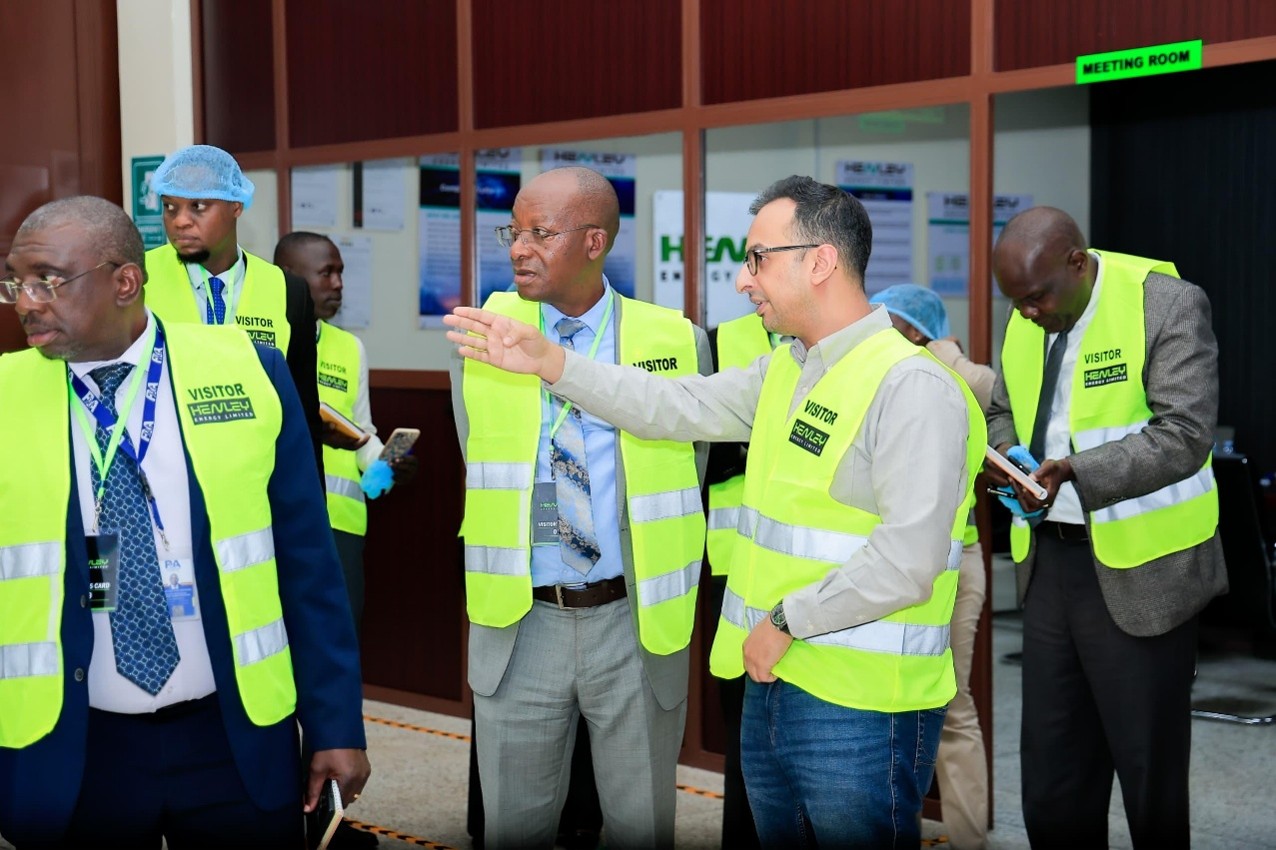
The Forum adopted a structured and participatory approach involving technical presentations, plenary discussions, stakeholder feedback sessions, and consensus-building engagements. Participants examined practical procurement bottlenecks, analyzed implementation realities, and proposed actionable reforms capable of delivering immediate improvements without requiring legislative amendments.
The Procurement Cadre Forum 2026 reaffirmed PPDA’s commitment to driving reforms that strengthen Uganda’s public procurement system and ensure that public investments deliver meaningful development outcomes. Through collaboration, innovation, and stakeholder engagement, the Forum demonstrated the growing recognition that efficient procurement systems are central to national development, public accountability, and improved service delivery for all Ugandans.
By Hannah Blessed Padde