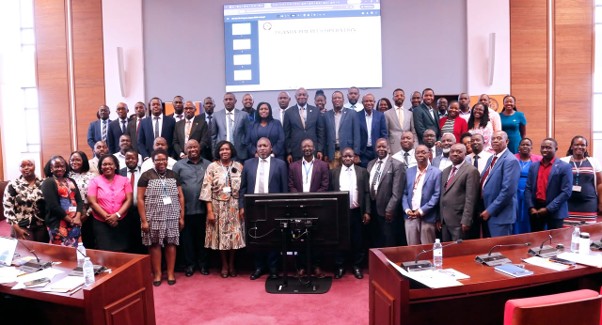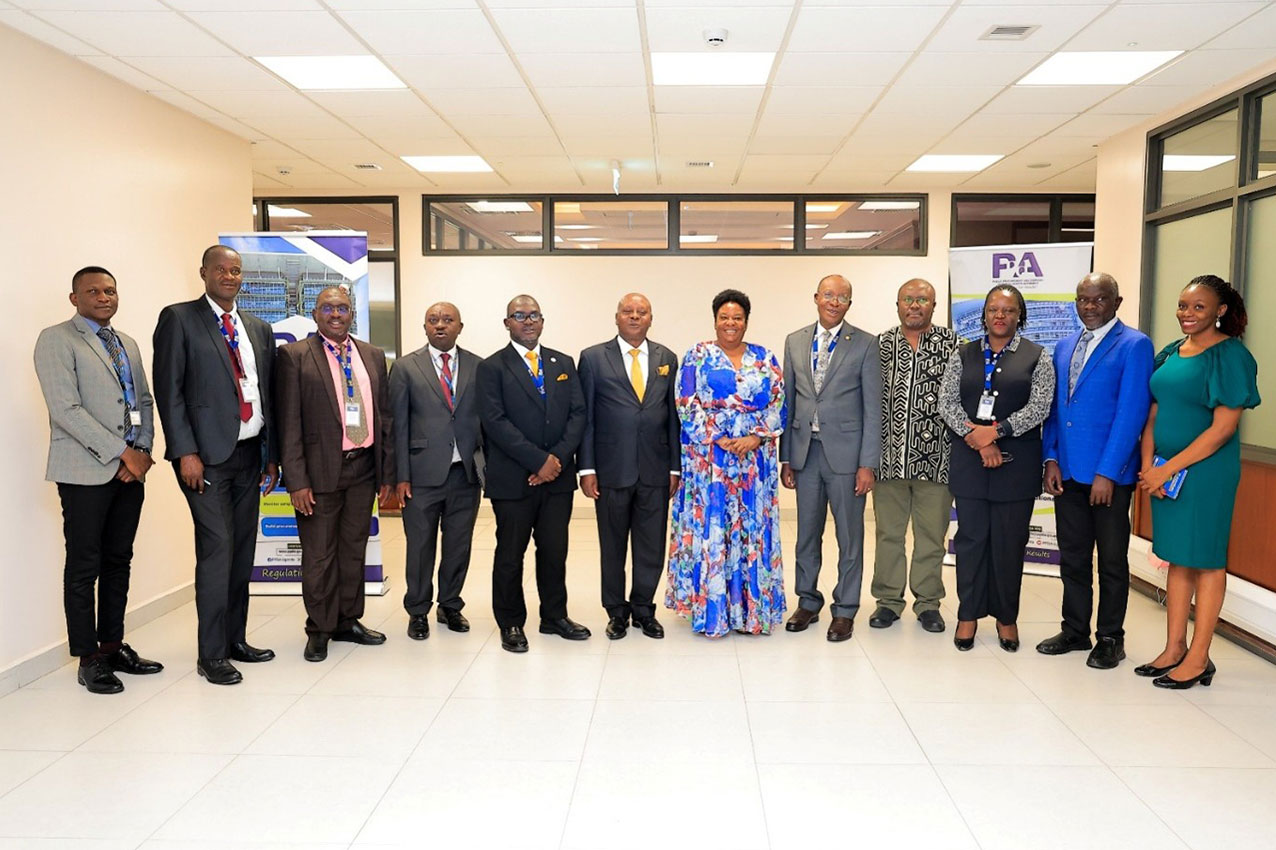

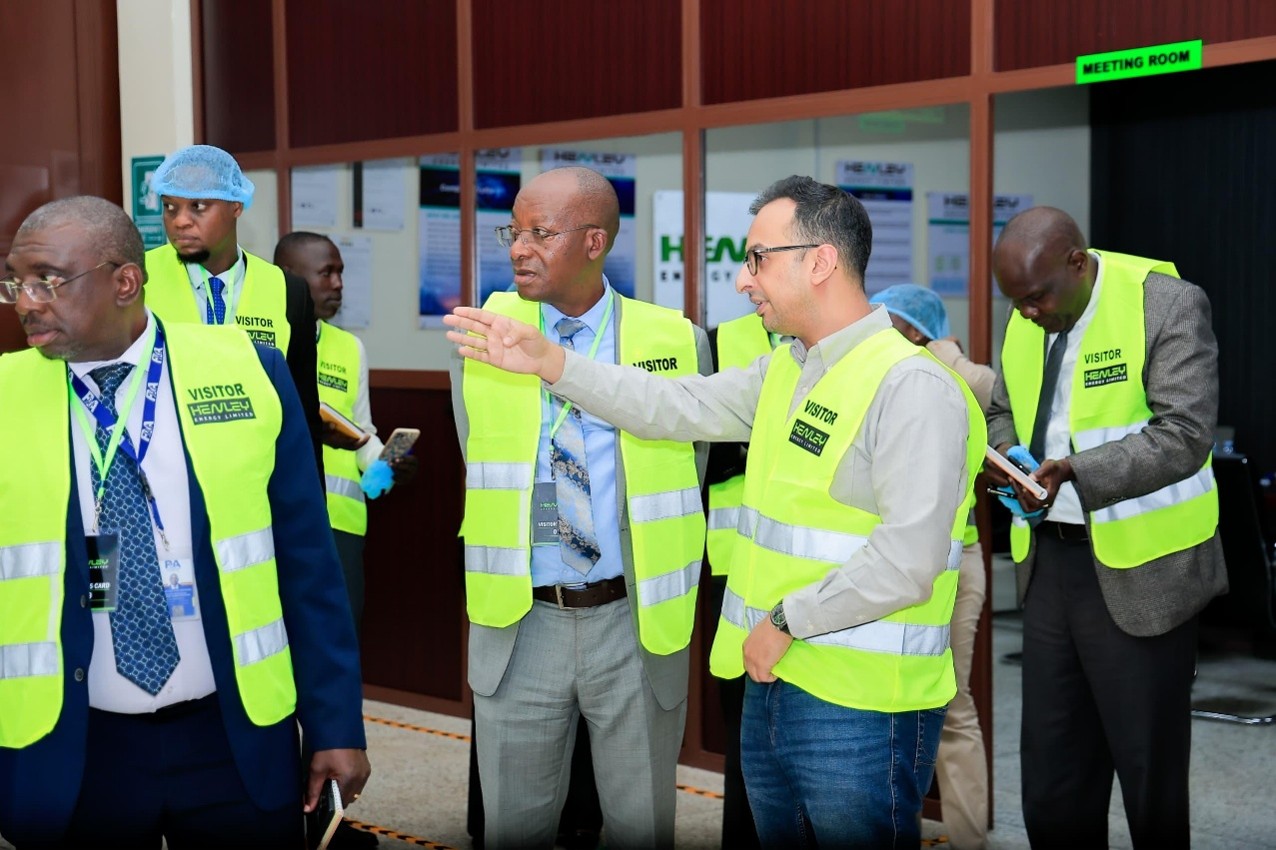
The Public Procurement and Disposal of Public Assets Authority (PPDA) conducted a facility visit to Henley’s Energy Limited, a local manufacturer of smart electricity meters. The visit is part of a broader initiative by the Authority to operationalize reservation schemes that promote local content and domestic production, as provided under the PPDA Act, Cap 205.
Henley’s Energy Limited, a sub-subsidiary of the US-based Henley Energy, represents a significant UGX 54 billion investment in Uganda’s energy infrastructure. The factory was officially commissioned on July 1st, 2025, by Hon. Dr. Ruth Nankabirwa, the Minister of Energy and Mineral Development. The facility is dedicated to the production of smart electricity meters, with an installed annual capacity of 600,000 to 700,000 single-phase meters and 300,000 to 350,000 three-phase meters. It also has scalable potential for gas meter production.
The purpose of the visit was to evaluate Henley’s readiness and capacity to supply quality smart meters to government and private clients. PPDA’s delegation sought to assess several key operational indicators including production capacity, certification status with the Uganda National Bureau of Standards (UNBS), annual sales figures, shareholding structure, the extent of local staff employment, efforts in skilling and knowledge transfer, local input in raw materials, and adherence to safety and health standards.
A key highlight of the visit was a guided tour of the production floor, where the PPDA team observed the live, step-by-step manufacturing process of the smart electricity meters. From the initial assembly of components to the final testing and packaging stages, the delegation was able to witness first-hand the level of technological sophistication, quality control, and skilled labor involved in producing each unit. This immersive experience provided valuable insight into the facility’s operational capacity and the potential for scaling up production to meet national demand.
During the visit, the Executive Director of PPDA, Benson Turamye, underscored the Authority’s regulatory role in public procurement. He noted that PPDA’s primary interest in the visit was to understand Henley’s contribution to the country not just in terms of production capacity, but also in its impact on employment and national development. He emphasized the importance of knowing the level of employment at the facility in terms of percentages and reiterated that the Authority stands ready to support Henley once they receive the green light to commence full-scale operations and supply smart electricity meters.
Smart metering technology was first introduced in Uganda by Umeme in 2011 as a prepayment system aimed at solving inefficiencies in the traditional postpaid billing process. The system allows customers to purchase electricity in advance via a 20-digit token, often through mobile platforms. By the end of November 2024, prior to Umeme’s exit in April 2025, the company had successfully upgraded over 2.2 million customers to smart meters.
In his closing remarks, the Director Performance Monitoring – Central Government, Dr. Aloysius Byaruhanga, expressed his satisfaction with the developments at Henley. He praised the company for aligning with national goals of improving efficiency in the electricity sector. Dr. Byaruhanga emphasized that the Authority is keen on supporting local content as a sustainable strategy, rather than continuously importing products from abroad when Uganda has the capacity to produce them locally. He reaffirmed PPDA’s commitment to promoting home-grown solutions that create jobs, build skills, and reduce reliance on external suppliers.
Through this visit, PPDA continues to advance its objective of creating a more inclusive, efficient, and locally driven public procurement environment. By recognizing and supporting capable local manufacturers like Henley’s Energy Limited, the Authority is not only upholding its regulatory mandate but also playing a vital role in shaping Uganda’s industrial and economic future.